


Storage Tips
- Home
- Storage Tips
Whether you’re downsizing, relocating, or simply need extra space for your belongings, proper storage techniques make a significant difference in protecting your items and maximizing your unit’s capacity. Following proven packing and organization methods ensures your possessions remain in excellent condition while you store them.
Planning Your Storage Space
Understanding Your Storage Agreement
Every storage facility provides a written agreement for your protection. Read your rental agreement thoroughly before signing and ask the storage consultant to explain anything unclear. Pay attention to your payment due date and confirm whether the agreement covers prorated rental periods. Clarify how and when your security deposit will be refunded or forfeited. If you change your address or phone number, notify the storage facility in writing promptly.


Selecting the Right Storage Materials
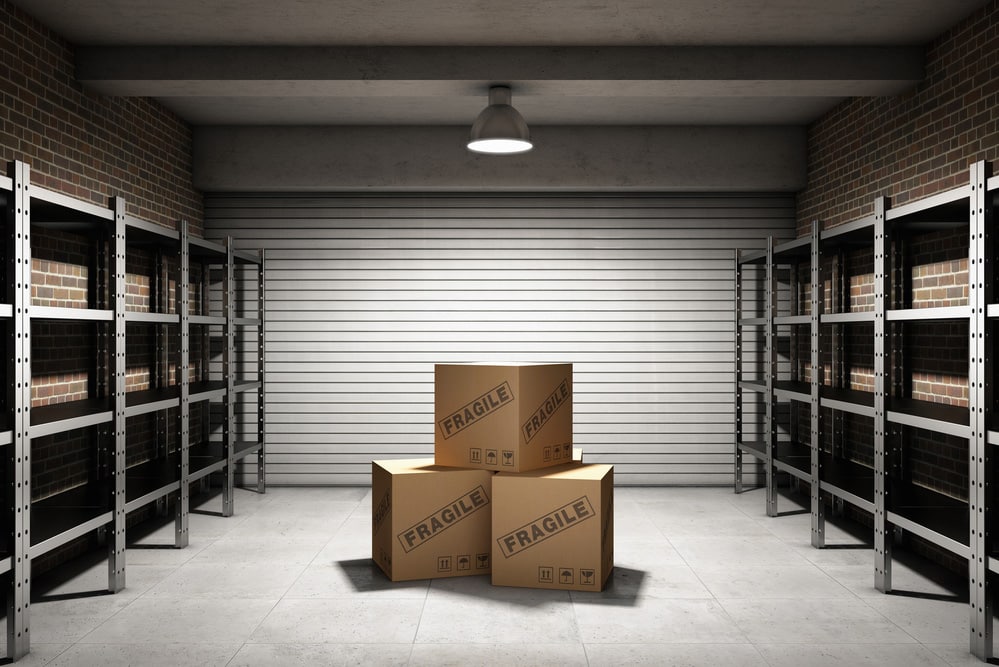
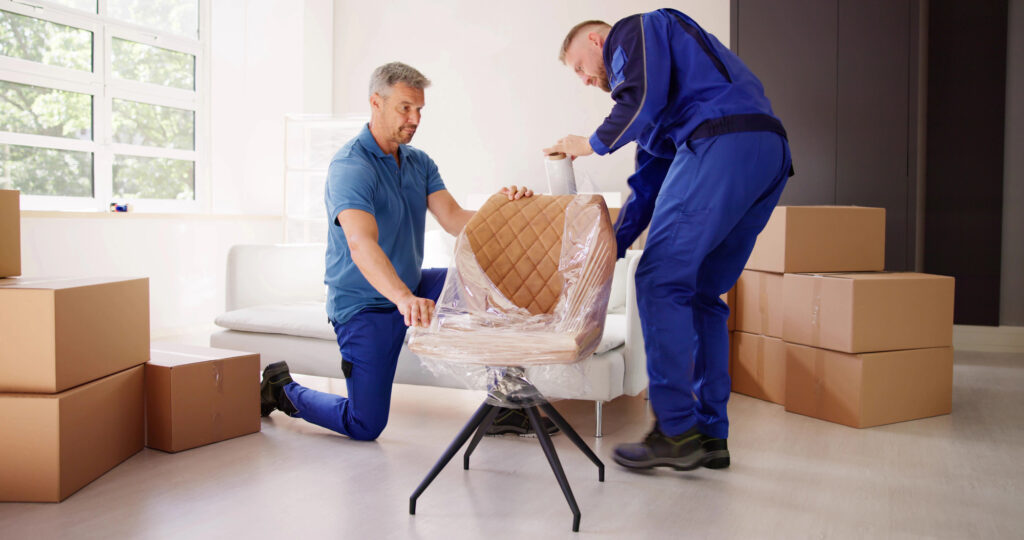
Quality packing supplies protect your belongings from dust, moisture, and potential damage. Use sturdy corrugated boxes in uniform sizes, as they stack more securely than mismatched containers. Medium-sized boxes work well for most household items, while smaller boxes suit heavier objects like books and tools. Bubble wrap cushions fragile items, packing paper prevents scratches, and moving blankets protect furniture. Clear plastic bins offer visibility, and breathable garment bags work better than plastic bags that trap moisture.
Packing Household Items
Clean all items thoroughly before packing, as dirt and food residue can attract pests or cause odors. Drain fluids from equipment and appliances, remove batteries from electronics, and wrap breakable items individually. Stack dishes vertically rather than flat to reduce breakage risk. Fill each box completely to prevent collapse when stacking, and label every box clearly on multiple sides with contents and room origin.

Preparing Furniture and Appliances
Maximizing Your Storage Unit Space

Protecting Your Belongings
Temperature and humidity fluctuations can damage sensitive items like electronics, artwork, musical instruments, photographs, and important documents. Consider climate-controlled units that maintain consistent conditions to prevent warping, cracking, and deterioration. Place moisture absorbers or silica gel packets in boxes containing humidity-sensitive items. Avoid storing cardboard boxes directly on concrete floors by using pallets or plastic sheeting to create a moisture barrier.
Storing Mirrors, Windows, and Screens
Always store mirrors, windows, and glass screens on edge in an upright position, never flat, as laying them horizontally increases the risk of cracking. Wrap each piece individually in bubble wrap or moving blankets with extra padding on corners and edges. Use cardboard corner protectors for larger pieces and tape an “X” across framed mirrors with painter’s tape for added support. Position these items against a sturdy wall in a designated area away from high-traffic zones, and clearly mark them as “FRAGILE.” Place cardboard or foam padding between multiple pieces to prevent direct contact, and never stack heavy items against stored glass.

Items That Require Special Consideration
What Not to Store
Common sense and state laws determine what may be stored in self storage units. You alone control access to your storage space, which means you are solely responsible for what you place inside. Never store any of the following:
- Live animals
- Perishables
- Liquids
- Explosives
- Flammable liquids and fuels
- Paint
- Chemicals
- Gasoline (Remember to drain fuel from gasoline engines before storage.)
- Propane
- Toxic materials
- Any other items that need a controlled environment
Storage facilities maintain strict policies against prohibited items to protect all customers’ belongings.
Maintenance & Insurance
Visit your unit periodically to check on your belongings and address any issues before they become serious problems. Look for signs of pests, moisture, or shifting boxes that might need repositioning.
The goods you place in storage are your sole responsibility as the owner, and they are not insured by the storage facility. Contact your insurance company to learn about coverage options for your stored belongings, as many homeowners or renters insurance policies extend to items in storage.
Locally owned and operated with over 30 years of successful experience in the storage business
A-1 Self Storage Locations
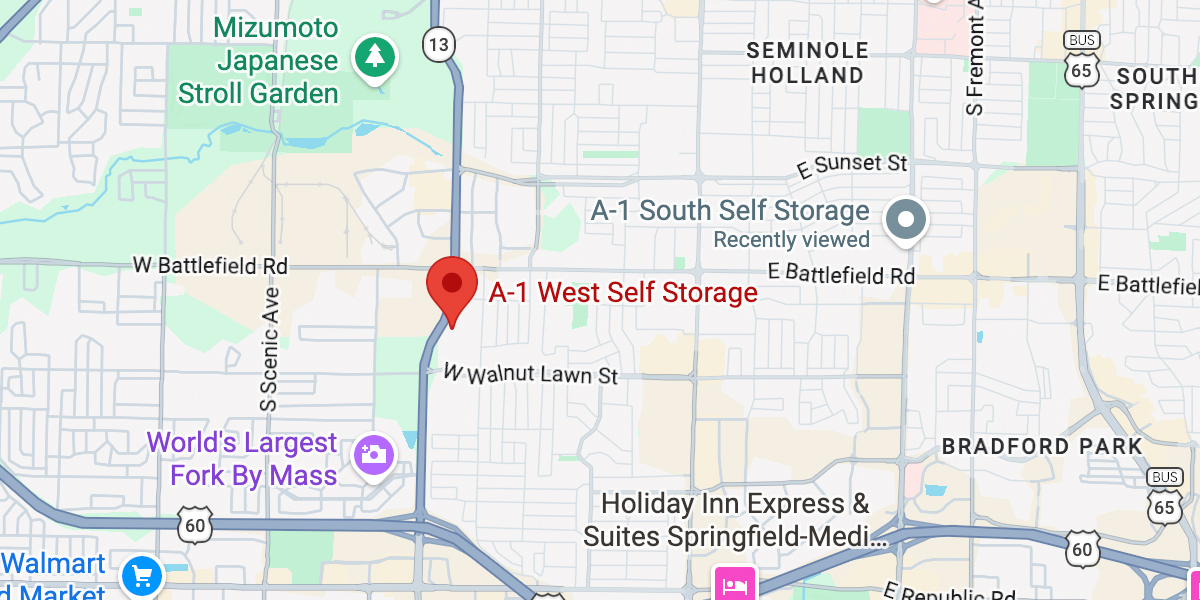
A-1 West Self Storage
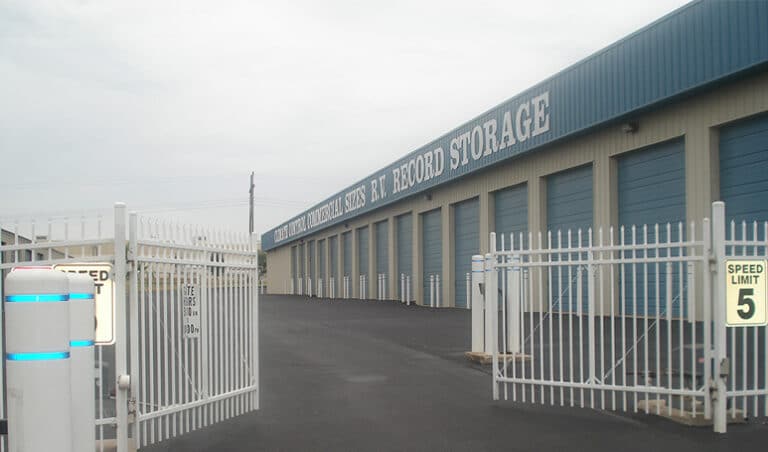
1730 W. Erie, Springfield, MO 65807
(1 block south of Battlefield)
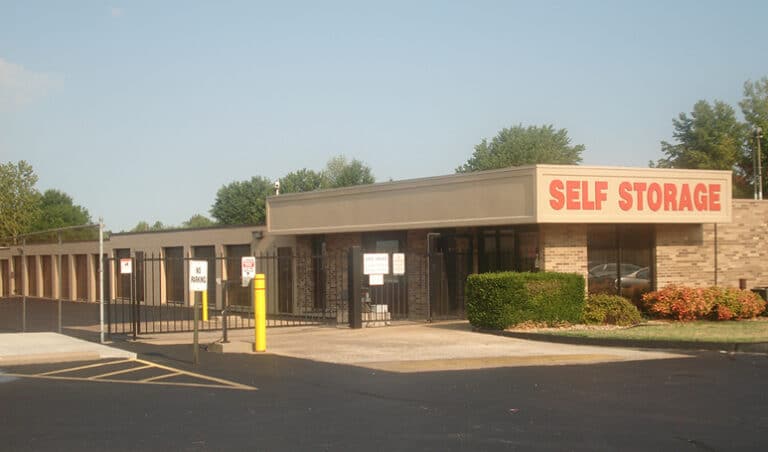
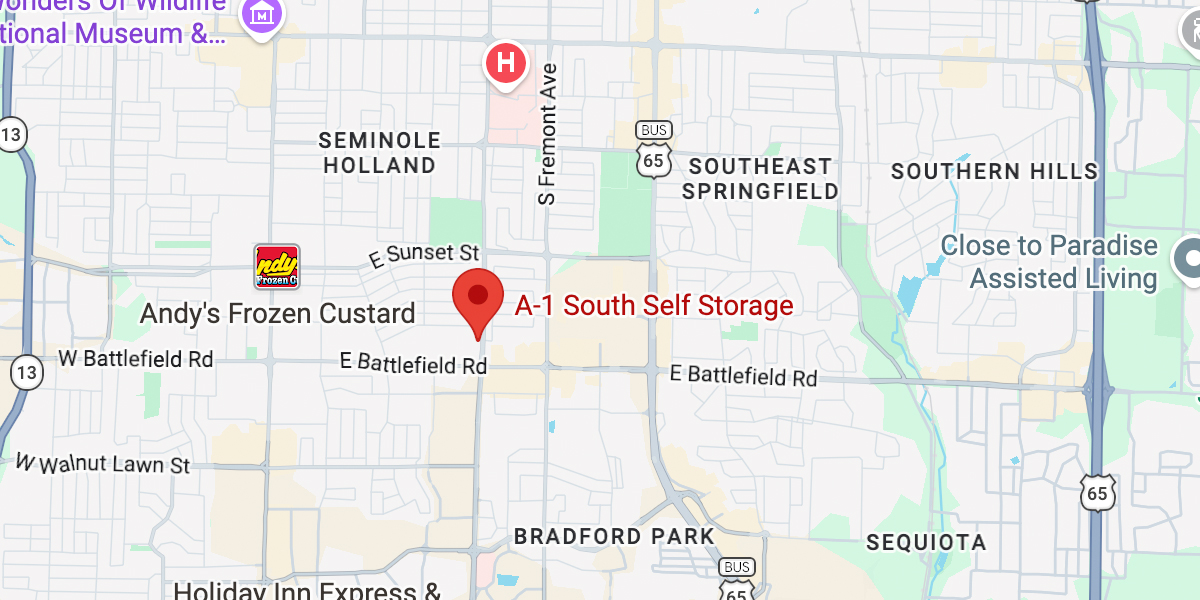
A-1 South Self Storage
2915 S. National, Springfield, MO 65804
(1 block west of the Battlefield Mall)
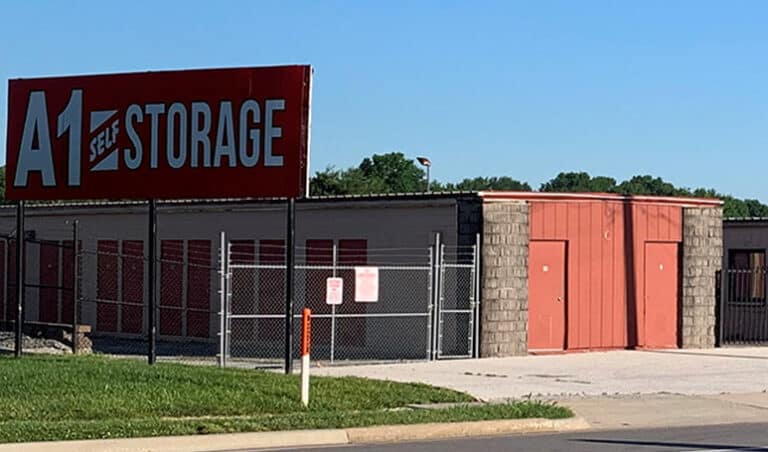
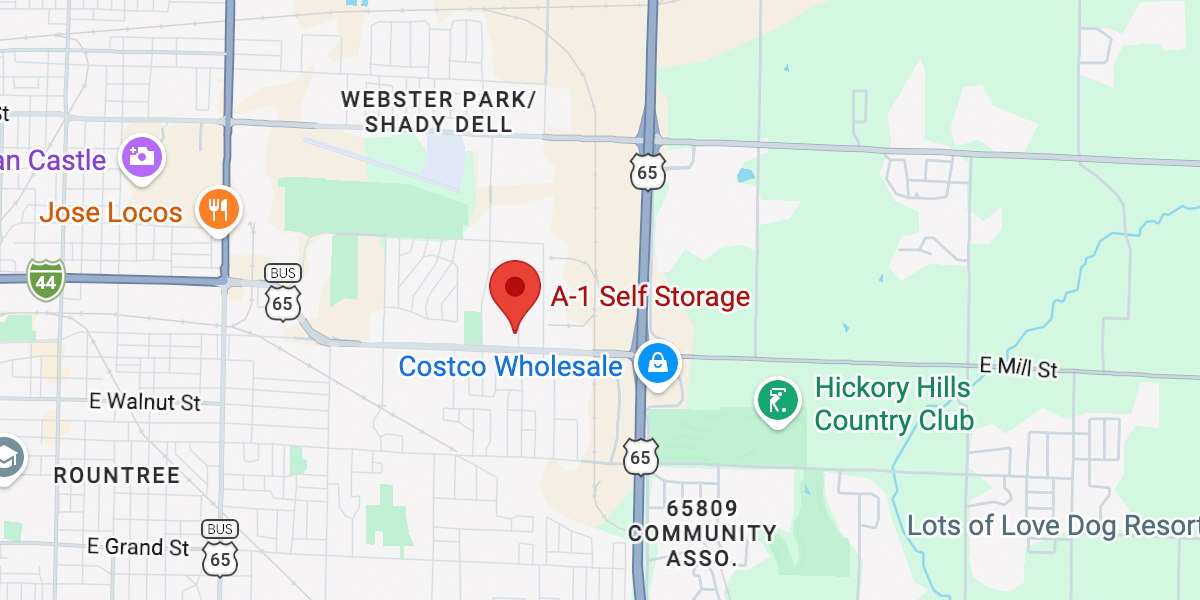
A-1 Self Storage
2873 E. Chestnut Expressway, Springfield, MO 65802 (two blocks west of the 65 by-pass)
Frequently Asked questions
Start with items you use least frequently, such as seasonal decorations, out-of-season clothing, and items earmarked for long-term storage. Clean everything thoroughly before packing, as dirt and moisture can cause damage over time. Label boxes clearly as you pack them, and create an inventory list to track what goes into storage. Leave items you’ll need to access regularly near the front of your unit for easy retrieval.
Avoid placing cardboard boxes directly on concrete floors by using pallets or plastic sheeting to create a barrier. Place moisture absorbers or silica gel packets in boxes containing humidity-sensitive items, and ensure all appliances and furniture are completely dry before storage. Consider climate-controlled storage for sensitive items like electronics, photographs, or important documents. A-1 Self Storage offers climate-controlled units that maintain consistent temperature and humidity levels.
Climate-controlled storage is essential for temperature-sensitive items including electronics, wooden furniture, musical instruments, artwork, photographs, important documents, leather goods, and antiques. If you’re storing items that could warp, crack, fade, or deteriorate due to temperature fluctuations or humidity, climate control provides crucial protection. Contact your nearest A-1 Self Storage location to inquire about availability and determine if this option suits your storage needs.
Stack boxes vertically with heavier items on the bottom and lighter ones on top, using uniform box sizes for stability. Store mattresses and sofas on end rather than flat to save floor space. Utilize empty spaces inside furniture by filling drawers and cabinets with smaller boxed items. Create a center aisle for access to items in the back, and consider installing freestanding shelving units. A-1 Self Storage offers various unit sizes, and our storage consultants can help you select the right size to avoid paying for unnecessary space.
Yes. We provide flexible rental terms with affordable monthly rates, accommodating both short-term and long-term storage needs.
No, you should stand mattresses on their long edge and wrap them in mattress bags designed for storage protection. This position saves floor space and prevents sagging that occurs when mattresses lie flat for extended periods. The mattress bag protects against dust and moisture. Avoid storing mattresses or any items directly on concrete floors, as concrete can transfer moisture over time.
Never store hazardous materials including paint, chemicals, gasoline, propane, or other flammable substances, as these pose fire risks and violate facility policies. Perishable food items, plants, and living things are prohibited because they attract pests and create health hazards. Most storage facilities, including A-1 Self Storage, maintain strict policies against these items to protect all customers’ belongings. Always drain fuel from gas-powered equipment before storage.
Label each box on multiple sides with clear, detailed information about contents and the room they came from. Use a permanent marker and write large enough to read from a distance. Consider using a numbering system paired with a master inventory list that details what’s in each numbered box. Color-coding boxes by room or category can also speed up retrieval. The more specific your labels, the easier it will be to find items without opening multiple boxes.
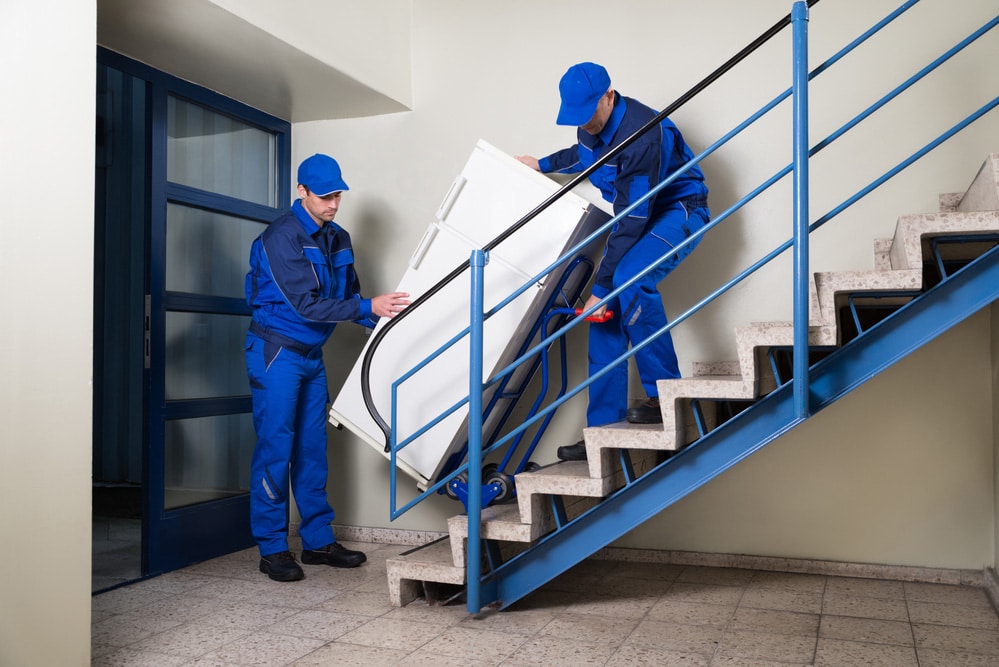
Clean all appliances thoroughly and ensure they are completely dry before storage. Refrigerators and freezers must be defrosted and dried, with doors propped slightly open to prevent odors and mildew. Drain water from washers and dishwashers, and remove any detachable parts to pack separately. This preparation protects your appliances and maintains a clean environment for all customers at our facility.
A-1 Self Storage provides units of all sizes to meet diverse storage needs. Our smallest units work well as extra closet space for personal items, clothes, and boxes, while our larger units can accommodate commercial warehousing requirements. We work closely with customers to determine the right size based on what you’re storing, whether it’s a few seasonal items or the contents of an entire home. Our storage consultants are happy to help you choose the most cost-effective unit size for your needs.
Yes, A-1 Self Storage offers storage options for vehicles, boats, RVs, and other recreational equipment. Our units are easily accessible by truck, making it simple to move vehicles in and out. Vehicle storage availability varies by location, so please contact your nearest facility to discuss size requirements, availability, and any preparation requirements for vehicle storage.